loader image
Skip to main content
Started 11 Jul 2025
Lessons 3
Language English ‎(en)‎
Skill Level Beginner

Course Overview

This course introduces learners to the fundamental principles of quality and information security management, with a focus on ISO 9001:2015 (Quality Management Systems - QMS) and ISO/IEC 27001:2022 (Information Security Management Systems - ISMS). Participants will explore the importance of quality, information integrity, and security in IT service management.

Learning Objectives:
By the end of this course, participants will be able to:

  • Understand ISO standards and their role in promoting quality and consistency.

  • Describe the key components and benefits of ISO 9001:2015 QMS.

  • Identify and apply quality management principles.

  • Recognize the role of risk management, audits, and customer satisfaction in QMS.

  • Explain the concept and value of information as an asset.

  • Understand ISO 27001:2022 and its application in protecting data confidentiality, integrity, and availability.

  • Apply information security principles to safeguard organizational assets.

  • Recognize their roles and responsibilities in ensuring quality and information security.

Key Topics:

  • What is Quality? (ISO Definition)

  • ISO 9001:2015 – QMS: Structure, Benefits, and Clauses

  • Quality Policies and Objectives

  • The 5 M's of Resource Management

  • Risk Management and Customer Feedback Mechanisms

  • ISO 27001:2022 – ISMS Overview

  • Information as an Asset: Characteristics and Protection

  • CIA Triad: Confidentiality, Integrity, and Availability

  • Elements and Principles of Information Security

  • Common Threats and Preventive Measures

  • Roles of Employees in Upholding QMS & ISMS Standards

Target Audience:
IT professionals, quality assurance staff, information security personnel, and all employees in roles related to service delivery, compliance, and risk management.

Assessment:
Multiple choice quizzes, scenario-based questions, and a final exam to assess knowledge retention.

Certification:
A certificate of completion will be awarded to participants who pass the final assessment.

Course Content

Loading...

Enrolment options

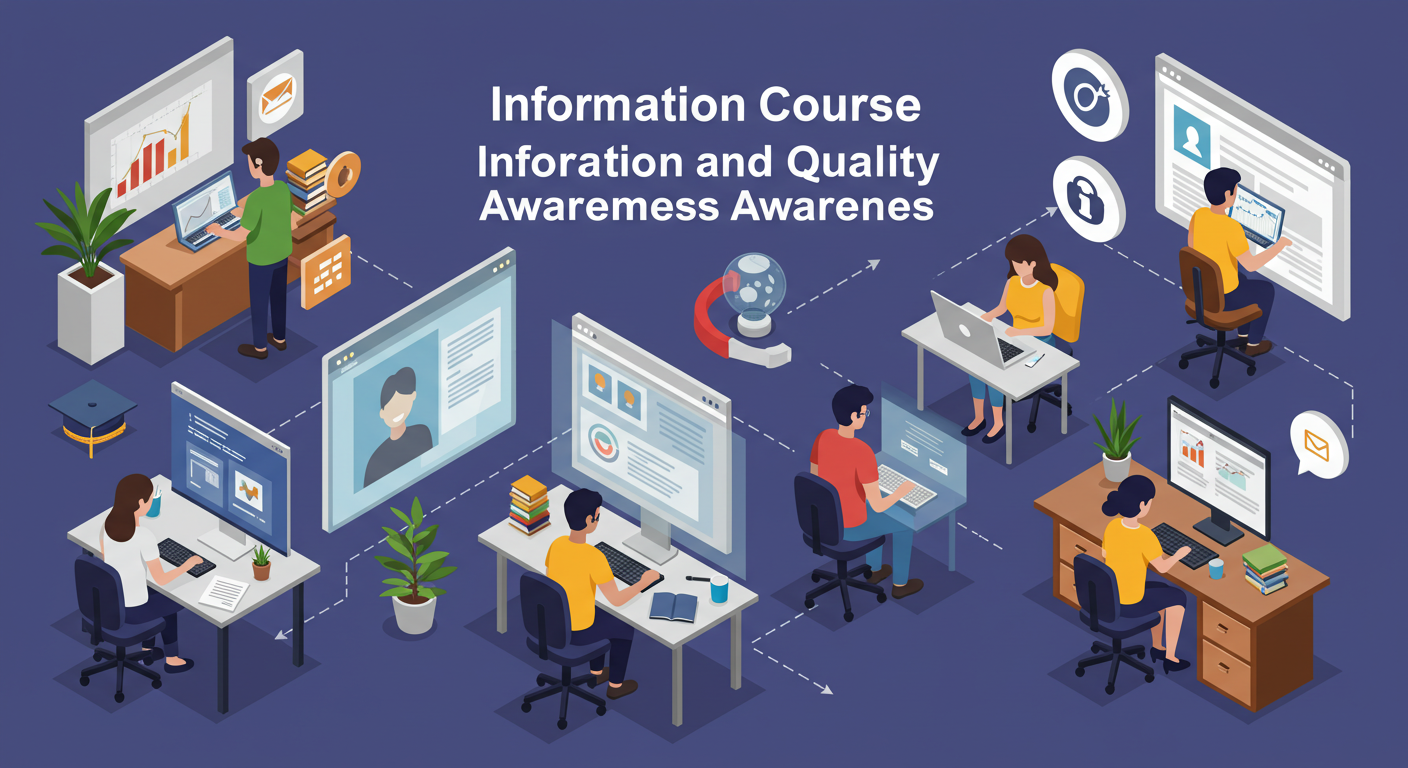
Image_fx.jpgImage_fx.jpg

This course introduces learners to the fundamental principles of quality and information security management, with a focus on ISO 9001:2015 (Quality Management Systems - QMS) and ISO/IEC 27001:2022 (Information Security Management Systems - ISMS). Participants will explore the importance of quality, information integrity, and security in IT service management.

Learning Objectives:
By the end of this course, participants will be able to:

  • Understand ISO standards and their role in promoting quality and consistency.

  • Describe the key components and benefits of ISO 9001:2015 QMS.

  • Identify and apply quality management principles.

  • Recognize the role of risk management, audits, and customer satisfaction in QMS.

  • Explain the concept and value of information as an asset.

  • Understand ISO 27001:2022 and its application in protecting data confidentiality, integrity, and availability.

  • Apply information security principles to safeguard organizational assets.

  • Recognize their roles and responsibilities in ensuring quality and information security.

Key Topics:

  • What is Quality? (ISO Definition)

  • ISO 9001:2015 – QMS: Structure, Benefits, and Clauses

  • Quality Policies and Objectives

  • The 5 M's of Resource Management

  • Risk Management and Customer Feedback Mechanisms

  • ISO 27001:2022 – ISMS Overview

  • Information as an Asset: Characteristics and Protection

  • CIA Triad: Confidentiality, Integrity, and Availability

  • Elements and Principles of Information Security

  • Common Threats and Preventive Measures

  • Roles of Employees in Upholding QMS & ISMS Standards

Target Audience:
IT professionals, quality assurance staff, information security personnel, and all employees in roles related to service delivery, compliance, and risk management.

Assessment:
Multiple choice quizzes, scenario-based questions, and a final exam to assess knowledge retention.

Certification:
A certificate of completion will be awarded to participants who pass the final assessment.

Skill Level: Beginner
Guests cannot access this course. Please log in.

Related Courses

5 Lessons
Started: Feb 2026

Fire doesn’t negotiate. It follows physics, chemistry, and bad planning. This LMS module exists to make sure learners stay on the winning side of those laws. Fire Risk Assessment, Prevention, and Emergency Evacuation Procedures is a practical, safety-critical course designed to help learners identify fire hazards, reduce fire risks, and respond correctly if a fire emergency occurs. The focus is not theory for theory’s sake, but clear actions that protect lives, property, and business continuity. The course begins with fire risk assessment: how to recognize common ignition sources, flammable materials, and unsafe practices in workplaces, schools, and public facilities. Learners are guided on how to evaluate risk levels, document findings, and understand legal and organizational responsibilities related to fire safety. It then moves into fire prevention, covering everyday behaviors and control measures that stop fires before they start. Topics include safe electrical use, proper storage of combustible materials, housekeeping standards, use of fire detection and suppression equipment, and the role of staff and management in maintaining a fire-safe environment. Finally, the module covers emergency evacuation procedures. Learners are trained on how to respond calmly and quickly during a fire incident, raise alarms, follow evacuation routes, assist others safely, and assemble at designated muster points. The course emphasizes coordination, communication, and drills—because in real emergencies, muscle memory beats panic. By the end of this module, learners will be able to assess fire risks confidently, apply effective prevention strategies, and execute safe evacuation procedures in line with recognized safety standards. The goal is simple and serious: fewer fires, faster responses, and everyone getting out alive.

5 Lessons
Started: Jan 2026

Latest Courses

5 Lessons
Started: Feb 2026

Fire doesn’t negotiate. It follows physics, chemistry, and bad planning. This LMS module exists to make sure learners stay on the winning side of those laws. Fire Risk Assessment, Prevention, and Emergency Evacuation Procedures is a practical, safety-critical course designed to help learners identify fire hazards, reduce fire risks, and respond correctly if a fire emergency occurs. The focus is not theory for theory’s sake, but clear actions that protect lives, property, and business continuity. The course begins with fire risk assessment: how to recognize common ignition sources, flammable materials, and unsafe practices in workplaces, schools, and public facilities. Learners are guided on how to evaluate risk levels, document findings, and understand legal and organizational responsibilities related to fire safety. It then moves into fire prevention, covering everyday behaviors and control measures that stop fires before they start. Topics include safe electrical use, proper storage of combustible materials, housekeeping standards, use of fire detection and suppression equipment, and the role of staff and management in maintaining a fire-safe environment. Finally, the module covers emergency evacuation procedures. Learners are trained on how to respond calmly and quickly during a fire incident, raise alarms, follow evacuation routes, assist others safely, and assemble at designated muster points. The course emphasizes coordination, communication, and drills—because in real emergencies, muscle memory beats panic. By the end of this module, learners will be able to assess fire risks confidently, apply effective prevention strategies, and execute safe evacuation procedures in line with recognized safety standards. The goal is simple and serious: fewer fires, faster responses, and everyone getting out alive.

5 Lessons
Started: Jan 2026

THE CERTIED TECHNICAL SUPPORT TECHNICIAN (CTST) This comprehensive certification course provides the essential, job-ready skills and knowledge needed to launch a successful career as a Certified Technical Support Technician, Help Desk Technician, or End User Support Specialist. Designed for beginners with no prior IT experience, this course guides you from fundamental concepts to advanced troubleshooting and professional skills, preparing you for industry-recognized certifications like CompTIA A+ or the Cisco CCST IT Support.

8 Lessons